
Spaced practice
Normally we teach a unit lesson by lesson and then revise the material at the end of the unit. This is called massed practice.

You teach new material, practise and revise it, then teach the next bit of material, practise and revise that, and then review the first new material, and so on.


The evidence shows that we need at least 3 repetitions to remember something, and the first repetition needs to be more than 20 minutes after the initial learning.
For example, we might teach new learning early in the lesson, then build in the first repetition at the end of the lesson or as homework the same day. The second repetition could be at the start of the next lesson, and the third and fourth repetitions could be as homework or during the next few lessons.
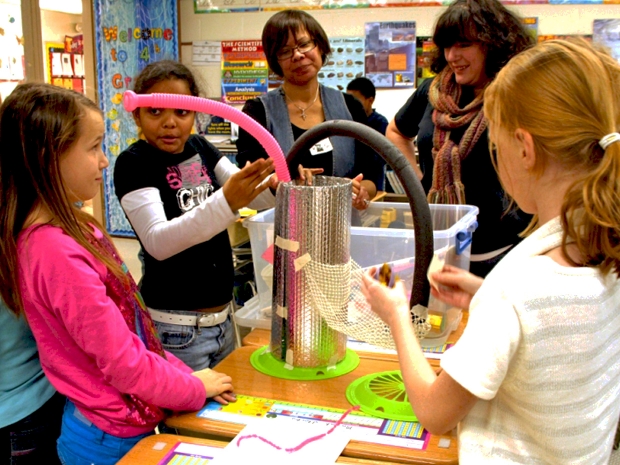
- Teach the new learning (activating prior knowledge, presenting the material, setting a challenging task, and providing feedback).
- Repetition 1 within 24 hours.
- Repetition 2 within 3 days.
- Repetition 3 within a week.
Although spaced practice takes time, it is an investment that actually saves time in the long run. Providing enough repetitions means that the new learning is remembered fully, so you don’t need to keep repeating explanations or do lots of revision at the end of the unit.
Anthony had a student in his physics set who refused to write anything down. He would explain the new material and then the task. The student would often interrupt and shout out questions. Anthony noticed that they were the most perceptive questions, and he got A’s relatively easily.
Anthony wondered whether this student’s brain was so active in making connections with his prior knowledge that the new learning was installed without writing notes. Perhaps he was running the thing over in his mind on the way home.
Eventually Anthony stopped pushing for the writing, but did manage to persuade him not to shout out the questions!

Spaced practice provides the opportunities for these repetitions so that our students can create these pathways in their brains.
Getting the timings right for each repetition is essential. If we leave it too long, the memory will fade before it can be reinforced. If we repeat it too quickly, the brain will treat it as part of the initial presentation and the value as a repetition will be lost.
The video below shows the evidence about the way memories fade and the value of repetition.

Brainstorm a few ideas to provide repetitions during the unit. This could be formal tasks that give formative feedback, or it could be shorter options such as:
- Plenary at the end of the lesson.
- Assertive questioning.
- Peer explaining.
- Quick quiz.
- Mini whiteboards.
- Recap questions.
- Homework task.
Have a look here, and in the rest of this section, for more information about some of these techniques.
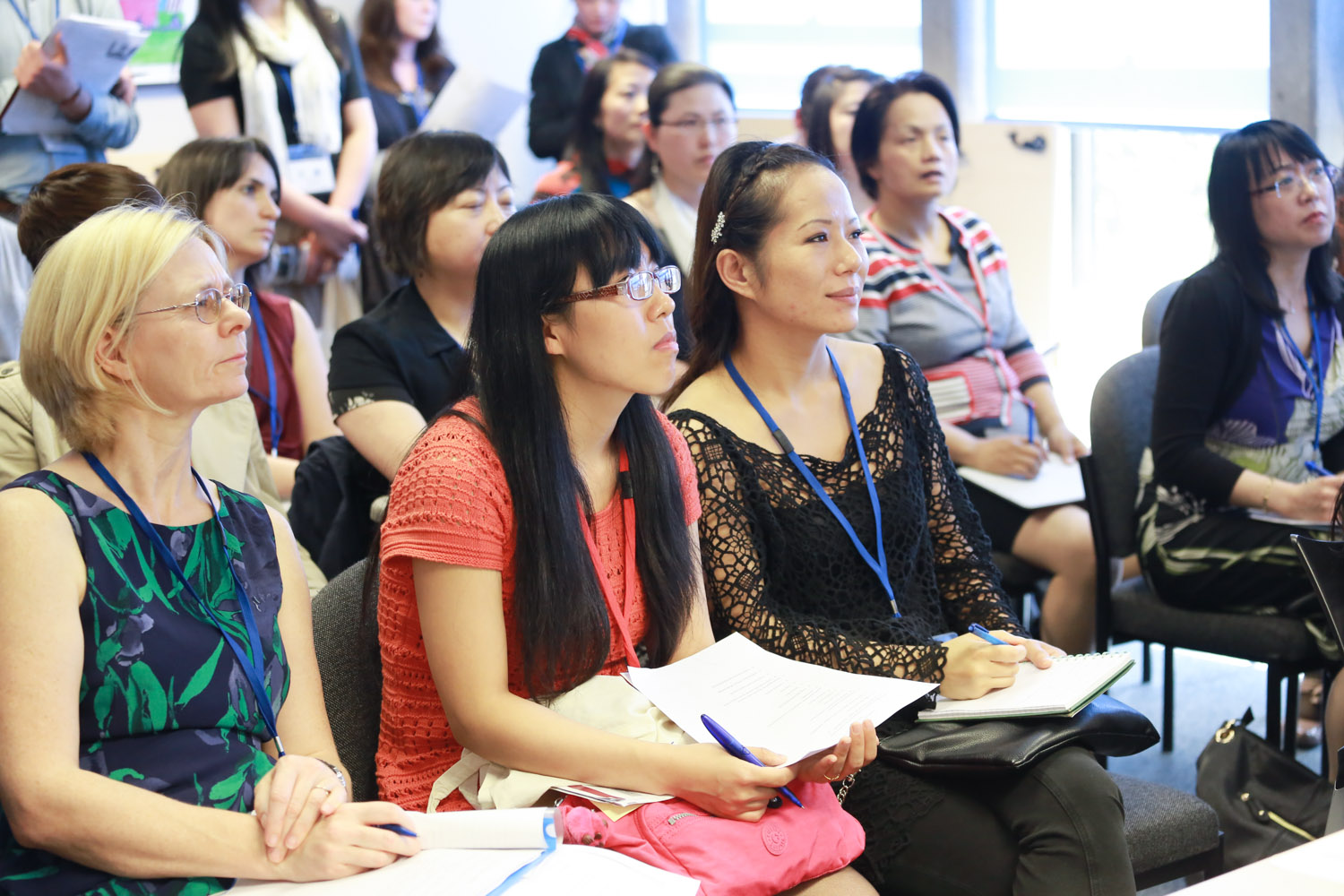
Once a teacher has been teaching for a while, the memories they draw on will be well practised and the pathways between synapses will be very effective.
New learning about teaching methods will only be effective if it follows the same Six Steps for Outstanding Learning. This means that we need to give ourselves plenty of opportunities for repetitions so that we reinforce those memories.
This explains why CPD often has little effect. If we go to a training course but don’t follow it up with repetitions in our teaching, the memories of the training will fade and we will revert to our usual methods.
It’s far more effective to pick one thing to work on and to practise it repeatedly until the new memory becomes more powerful than the old one.
Below is a video with suggestions on how to use repetitions to secure new learning as long-term memories.
Judith is a staff trainer at a Further Education college. She has run training sessions for her tutors and introduced them to more effective methods. Some weeks later she observes their teaching. Very few of them have changed their teaching and seem not to remember the methods they tried in the training session.
Once she heard about spaced practice, she decided to build in the repetitions by repeatedly asking the tutors which methods they were trying and how it was going.

Students might remember the answer to a specific question, for instance: When was the Battle of Hastings? What is the process by which plants make food? What proportions of sand and gravel go into concrete). This doesn’t mean that they are able to apply this knowledge.
This is where Step 3: Challenge comes in. This ensures that students explore the new learning so that they fully understand it. A particularly effective method for this problem is generating and testing hypotheses. There is more information about this here.
Header image: https://www.directlineforbusiness.co.uk/small-business-insurance/hair-and-beauty-insurance/knowledge-centre/how-to-get-a-hairdressing-apprenticeship
Students working at desks: http://bagienny.info/yq5OP%7C30VopeTkWskz61EC7PaxOqQwLeMFSYE9GyZOa*SlTGrKhpOrSjtTUv2yBGJmmfktMiM70NXyVp6aj0xA/
Science experiment image: http://al3loom.com/?p=21262
Brain image: https://www.edubloxsa.co.za/long-term-memory-problems-children/
Teachers in a CPD session: https://ciforschools.wordpress.com/teacher-training/
Just one more thing image: https://www.veronicadearly.com/2014/03/04/just-one-more-thing/